Managing Heat Distribution for Optimal Cooking
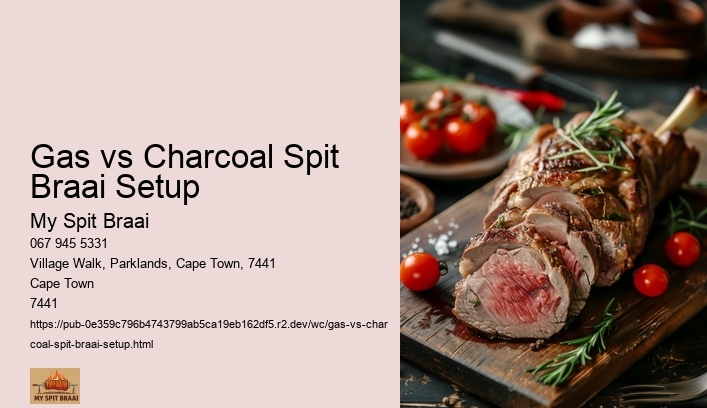
When it comes to the art of spit braai, a popular South African method of roasting meat over an open fire, enthusiasts often engage in a lively debate: is gas or charcoal the superior choice for managing heat distribution and achieving optimal cooking results? Each method has its fervent supporters and its own set of virtues and drawbacks that can affect the outcome of your culinary efforts.
Beginning with charcoal spit braais, this method is often celebrated for its ability to impart a smoky flavor that is highly prized among barbecue aficionados. The essence of cooking with charcoal lies in its ability to achieve high temperatures and create a sear that locks in flavors. However, managing heat distribution when using charcoal requires skill and attention. The chef must know how to arrange the coals correctly and when to adjust them, ensuring that different sections of the spit receive varying degrees of heat at appropriate times during cooking. This can mean shifting coals to create zones of direct and indirect heat or adjusting the height of the grill to control the intensity. The challenge here is maintaining a consistent temperature over a long period, which is crucial for evenly cooked meat.
On the other hand, a gas spit braai offers convenience and more controlled cooking conditions. With a gas setup, temperature adjustments are as simple as turning a knob, allowing for precise control over heat distribution. This can be particularly advantageous when cooking large cuts of meat or whole animals, which require consistent temperatures to avoid undercooked or overly charred areas. Gas burners also provide the benefit of easy ignition and no need for continual fuel replenishment during the cooking process.
However, purists might argue that gas grilling lacks the authentic flavor associated with charcoal grilling. To mitigate this, some cooks use smoker boxes filled with wood chips on their gas grills to infuse smoke into the meat indirectly.
Choosing between gas and charcoal for a spit braai thus depends largely on what aspects of cooking you value most-whether its the traditional flavors associated with charcoal or the ease and consistency offered by gas. For those who prioritize flavor and enjoy the hands-on approach, mastering charcoal heat management can be incredibly rewarding. It involves not just technical skill but an understanding of how fire interacts with food-a true craft.
Conversely, if convenience, precision, and repeatability are top priorities-especially when catering to large groups or in commercial settings-a gas spit braai might be more suitable. Here you sacrifice some degree of tradition for efficiency and control.
In conclusion, whether opting for gas or charcoal in your spit braai setup, each method has unique benefits concerning heat management for optimal cooking outcomes. The choice ultimately hinges on personal preferences regarding taste, convenience, experience level in handling equipment, and desired involvement in the cooking process.
Techniques for Flavor Enhancement: Smoking and Marinades
When it comes to the culinary arts, few things can elevate a dish like the right flavor enhancement techniques. Among these, smoking and marinating are particularly revered for their ability to transform simple ingredients into mouthwatering delights. This is especially true in the context of a spit braai setup, where the choice between using gas or charcoal can significantly influence the final taste of the food.
A spit braai, also known as rotisserie cooking, is a method where meat is skewered on a long rod and cooked over heat. The slow rotation allows the meat to cook evenly in its own juices, resulting in tender and flavorful fare. The decision between gas and charcoal is crucial here as it affects not just convenience and control but also how well one can employ smoking and marinating techniques.
Starting with marinating, this process involves soaking meat in a mixture of spices, acids (like vinegar or citrus juice), and oils before cooking. This not only imparts flavor but also helps tenderize the meat. In a charcoal spit braai setup, the smoky atmosphere created by burning charcoal adds an additional layer of depth to the marinades flavors. The smoke envelops the meat as it cooks, mingling with the marinades seasoning to enhance complexity in taste that gas simply cannot replicate.
However, using gas has its merits too - primarily temperature control. Unlike charcoal, which can take some experience to manage effectively concerning heat distribution and maintenance throughout cooking, gas allows for precise control at your fingertips. For marinated meats where specific temperatures are needed for perfect doneness without overpowering delicate herbs or spices in the marinade, gas might provide an edge.
As for smoking as a technique itself - which involves exposing food to smoke from burning or smoldering materials such as woods - each type of setup offers distinct advantages. Charcoal inherently provides smoke through combustion but adding various wood chips like hickory or applewood can enhance this effect further; each type of wood lends its unique flavor profile to the meat. Gas grills are generally less effective when it comes to natural smoking unless equipped with smoker boxes that hold wood chips; even then, they often lack the robust smoke profile that charcoal grills naturally produce.
Nevertheless, both setups allow for creativity in flavor enhancement through careful selection of woods for smoking or ingredients for marinating – all dependent on personal preference and desired outcome. Whether you opt for tangy citrus-infused chicken thighs slowly roasted over mild mesquite coals or garlic-soaked lamb shoulder crisped up under controlled gas flames - mastering these techniques will surely impress at any gathering.
In conclusion, while both gas and charcoal spit braais have their place depending on your priorities (ease vs authentic smokiness), they serve as versatile platforms upon which one can explore an array of flavorful possibilities through smoking and marinating techniques. Each brings something different to the table – quite literally – offering diverse pathways toward achieving culinary excellence that pleases palates far and wide.
Maintenance and Safety Tips for Gas and Charcoal Spit Braais
When it comes to South African culinary traditions, the spit braai holds a special place in many hearts. This method of slow-roasting meat over an open flame not only yields delectably tender results but also brings people together in a festive atmosphere. Whether you opt for a gas or charcoal spit braai, understanding the setup differences and adhering to maintenance and safety tips is crucial for both optimal performance and safety.
Gas Spit Braai Setup
The gas spit braai is appreciated for its convenience and control. Setting up a gas spit involves ensuring that the gas source, typically a propane tank, is securely connected and free from leaks. Always perform a soapy water test at the connection points before lighting: apply soapy water to these areas, and if bubbles form when the gas is turned on, theres a leak. Fix all leaks before proceeding.
Additionally, positioning of the spit should be in an area free from overhead obstructions and not too close to walls or flammable materials. The ease of temperature control is a significant advantage with gas; however, its essential to monitor the flame consistently and adjust as needed to avoid flare-ups or uneven cooking.
Charcoal Spit Braai Setup
Charcoal spit braais are beloved for their ability to impart smoky flavors that gas simply cant match. When setting up your charcoal spit, start with quality charcoal and arrange it evenly beneath where the meat will be placed. Lighting the charcoal can be done using natural starters like chimney starters; avoid lighter fluids as they can leave an unpleasant taste on the food.
Once your coals are ashed over (greyish-white), spread them out slightly wider than the length of the meat on the spit. Like with gas, ensure your setup location is safely away from any potentially flammable materials and structures.
Maintenance Tips
For both types of spits, regular cleaning is paramount. Ensure all components are cool before cleaning. For gas spits, this includes checking burners and jets are clear of blockages which could affect flame consistency. For charcoal units, disposing of ash correctly after each use prevents unwanted fires and extends lifespan by preventing corrosion.
Lubricate moving parts such as motors or rotisseries occasionally to prevent wear and tear. Stainless steel components should be wiped down with appropriate cleaners to maintain their condition against weather elements especially if stored outdoors.
Safety Tips
Never leave your spit braai unattended while in use; this applies equally to both gas and charcoal setups due to their open flames which pose fire risks if left unchecked. Keep children and pets at a safe distance always.
Always have some form of fire extinguishment method handy - whether it's sand, water bucket or chemical extinguisher tailored for grease fires typical in cooking scenarios.
In summary, whether choosing a more modern approach with a gas spit braai or sticking with traditional charcoal methods, understanding these differences in setup plus adhering strictly to maintenance protocols ensures not only delicious meals but also safe gatherings around your beloved South African tradition – happy braaing!
Cost Analysis and Event Planning Considerations
When planning an event that includes a spit braai, one of the primary considerations is whether to use a gas or charcoal setup. Each option brings its unique flavors, costs, and logistical considerations. Understanding these differences can help in making an informed decision that enhances the event while keeping costs manageable.
Cost Analysis
The initial cost factor to consider between gas and charcoal spit braais involves the setup equipment itself. Generally, gas spit braais tend to be more expensive upfront than their charcoal counterparts due to the complexity of their design and the materials used. However, this higher initial cost can be offset by lower running costs over time since propane or natural gas typically costs less per hour than charcoal.
Charcoal, on the other hand, is cheaper to purchase initially but may require more fuel over the duration of an event compared to gas. This is particularly true for longer events where maintaining a consistent temperature with charcoal could necessitate additional fuel - adding to overall expenses.
Operational Efficiency and Ease
From an operational standpoint, gas spit braais offer greater control over cooking temperature, which can be adjusted easily with a knob. This convenience facilitates better management of cooking times and can lead to more consistently cooked food. Gas grills also ignite and reach cooking temperatures quicker than charcoal setups, saving valuable time during event preparations.
Charcoal braais demand more skill for heat management. The process of lighting charcoal and allowing it to reach the correct temperature is not only time-consuming but also requires careful attention throughout the cooking process to maintain heat consistency. However, this method is often praised for the distinct smoky flavor it imparts to the food-a significant consideration for many culinary enthusiasts.
Environmental Considerations
Environmentally speaking, both options have their impacts. Charcoal produces more particulates and carbon monoxide but typically comes from renewable resources like wood. Gas burns cleaner with fewer emissions but is a fossil fuel whose extraction and refinement have broader environmental impacts.
Event Ambiance
The choice between gas and charcoal may also reflect the desired ambiance at an event. A traditional, rustic outdoor gathering might benefit from a charcoal spit braai both aesthetically and gastronomically-offering authentic flavors tied closely with cultural barbecue practices. In contrast, a modern or upscale event might prefer the cleanliness and convenience of a gas setup.
Logistical Considerations
Finally, logistics play a crucial role in deciding between gas or charcoal. For instance, transporting heavy bags of charcoal might be less convenient compared to carrying propane tanks if access to water or vehicles is restricted at an event location; similarly managing fire safety risks associated with open flames poses bigger challenges in windy or dry conditions typical of certain venues or seasons.
In conclusion, choosing between a gas versus charcoal spit braai setup involves balancing factors like cost efficiency, ease of use (including preparation and cleanup), taste preferences influenced by cooking methods (smoky vs non-smoky), environmental impacts as well as alignment with overall theme or ambiance desired at your event. An informed decision based on these criteria will likely enhance guests enjoyment while ensuring economic feasibility and operational smoothness during your gathering.